Tree Surveys for Planning & Development
Professional Arboricultural Consultancy – Compliant with BS5837:2012
When planning a development, trees on or near your site can significantly influence design, and approval outcomes. Most local planning authorities require a BS5837 Tree Survey to be submitted where trees may be affected by construction or demolition.
We provide planning tree surveys, impact assessments, and protection plans that meet all requirements of BS5837:2012 -Trees in relation to design, demolition and construction - Recommendations. We work closely with architects, engineers, planners, and developers to help your project move smoothly through the planning process while safeguarding valuable tree assets.
What Is a BS5837 Tree Survey?
A BS5837 tree survey is a specialist arboricultural assessment that evaluates the trees within and around a proposed development site. The aim is to identify which trees should be retained, how they might be impacted by development, and what protection measures are needed.
The survey forms the foundation for:
- Tree Constraints Plans (TCP)
- Arboricultural Impact Assessment (AIA)
- Tree Protection Plan (TPP)
- Arboricultural Method Statement (AMS)
Together, these documents provide a clear strategy for how trees will be managed and protected throughout the design, demolition, and construction phases.
Why Is a BS5837 Tree Survey Required?
Trees are a material consideration in the planning process. Without an approved tree survey, your application could be delayed or refused.
A compliant BS5837 survey:
- Demonstrates that your design considers existing trees responsibly
- Helps avoid costly redesigns or planning objections
- Identifies conflicts between proposed buildings and tree root systems
- Provides evidence of duty of care and adherence to planning policy and environmental regulations
What Our BS5837 Survey Service Includes
- On-site Tree Data Collection – Recording species, height, stem diameter, condition, maturity, crown spread, and Root Protection Area (RPA) for all relevant trees.
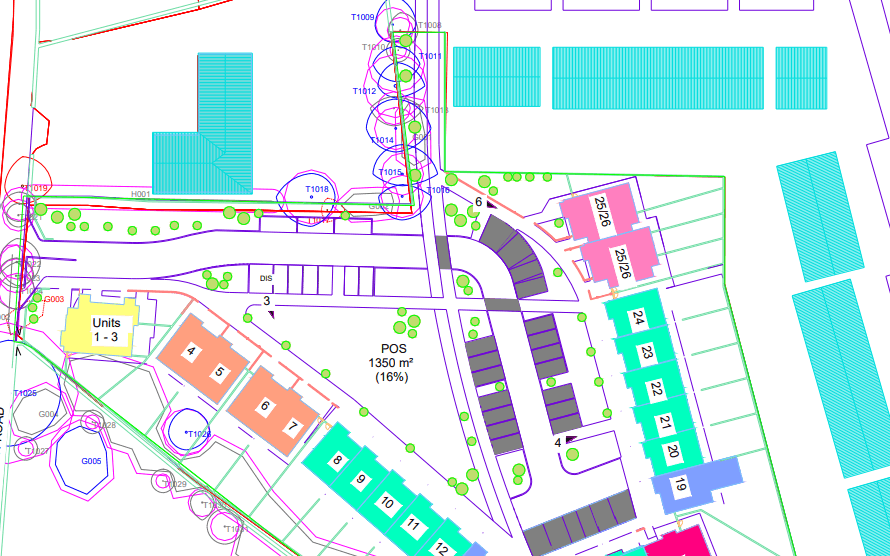
- Tree Constraints Plan (PDF & DWG) – Mapping tree locations, crown spreads, and RPAs, showing how trees may influence building layouts and design feasibility.
- Arboricultural Impact Assessment (AIA) – Analysing the relationship between the proposed development and retained trees, identifying potential conflicts, and proposing mitigation measures.
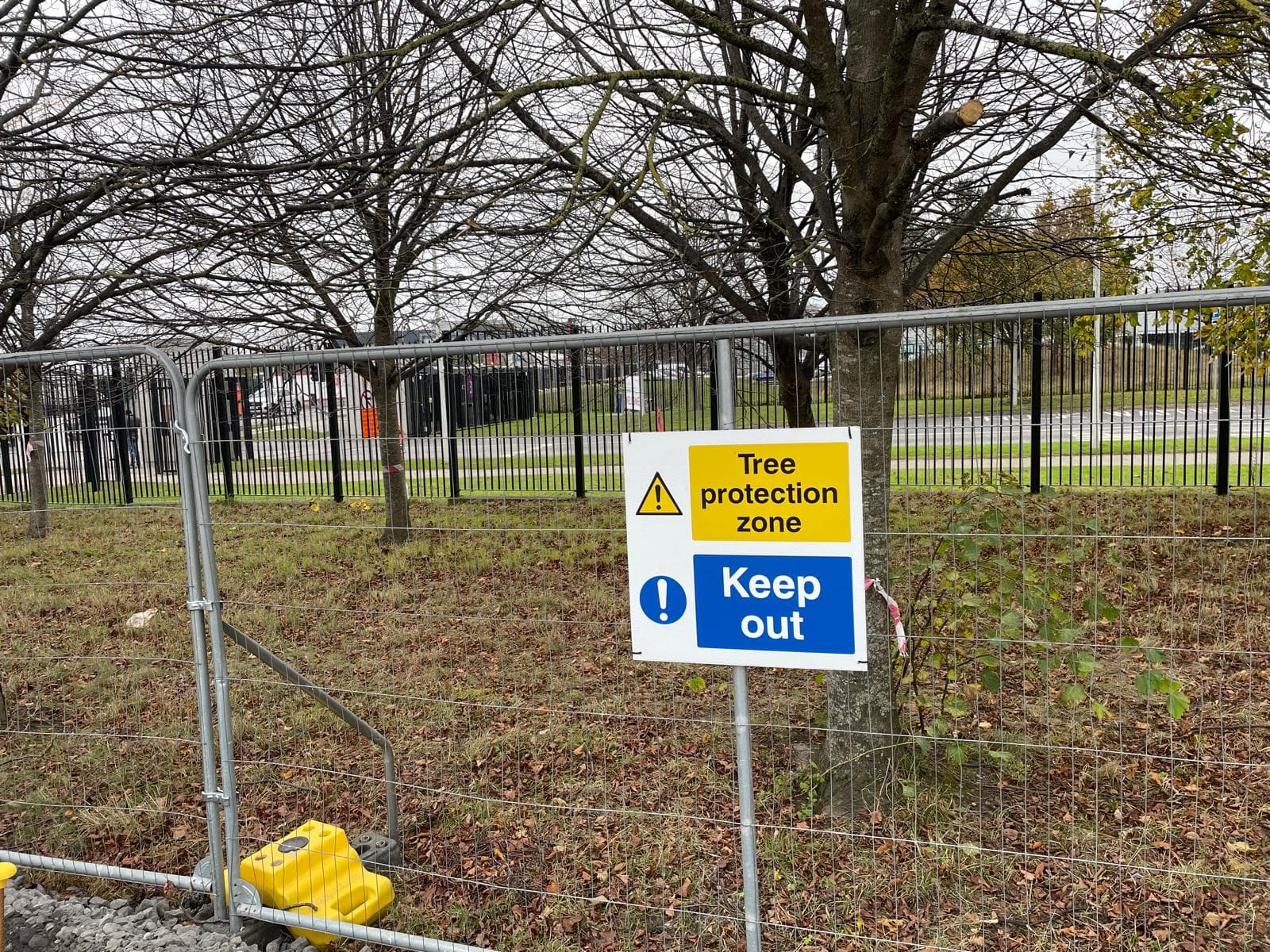
- Tree Protection Plan (TPP) – Detailing how trees will be safeguarded during construction using fencing, ground protection, and working method zones.
- Management & Remedial Recommendations – Setting out pruning, removal, or maintenance requirements with prioritisation.
- Arboricultural Method Statement (AMS) – Providing site-specific guidance for working safely near retained trees.
All plans are produced in PDF and CAD (DWG) formats for direct integration with your architectural drawings.
When Should You Commission a BS5837 Survey?
Ideally, a tree survey should be commissioned before finalising the site layout, so tree constraints can be considered early in the design stage. Early engagement helps to:
- Retain high-value or protected trees
- Minimise design conflicts and construction delays
- Ensure your planning application meets all validation criteria
Why Choose Our Arboricultural Consultancy?
- Fully qualified and insured arboricultural consultants
- Planning-focused reports designed to satisfy local authority tree officers
- CAD-compatible plans (DWG and PDF) ready for direct use by architects
- Collaborative approach – we liaise with your design and planning team
- Sustainable and practical solutions balancing development and tree protection
- Fast turnaround to meet planning submission deadlines